
Our Focus on Unmet Medical Need
Soligenix is a late-stage biopharmaceutical company focused on developing and commercializing products to treat rare, also referred to as orphan, diseases where there are unmet medical needs. According to the FDA, an orphan disease affects less than 200,000 people nationwide. Other jurisdictions have similar definitions. With the smaller patient populations involved, regulatory agencies often have Orphan Drug designations that recognize the unique requirements of clinical trials in these populations.
Soligenix has specialized expertise in the development of orphan and unmet medical need indications – including the regulatory nuances (Orphan Drug designation, Fast Track designation, use of adaptive trial designs etc.) and clinical execution (specialized recruitment approaches, direct site interactions, etc.). Soligenix directly conducts all of its Phase 2 and 3 clinical studies, being in personal contact with the sites and principal investigators, ensuring the highest data quality while streamlining timelines and budgets.
By working in indications where treatment is lacking and populations are specialized, Soligenix has an outsized impact on patient outcomes and quality of life.
The regulatory commonalities between all indications in rare disease/unmet medical need means that Soligenix expertise can be impactful across a variety of diseases.
Our Scientific Advisory Boards for each area of focus have decades of experience in the biopharmaceutical industry, which includes unique expertise in developing orphan / rare disease therapies.
Cancer
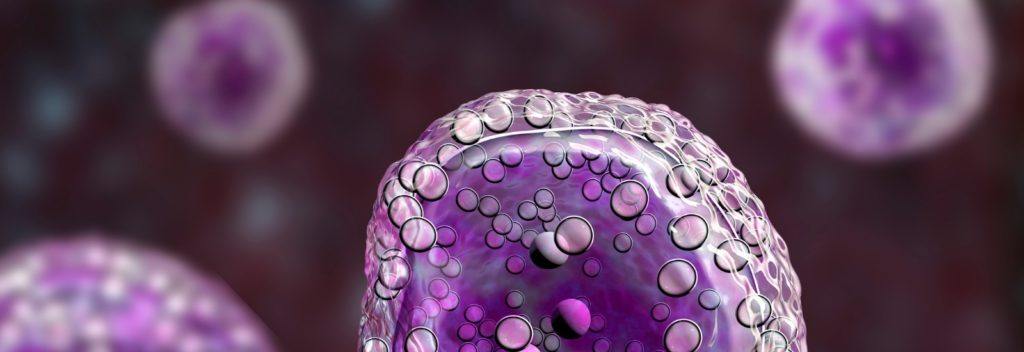
About 20,000 patients in the US have cutaneous T-cell lymphoma and while the disease is not usually fatal, medical management of the lesions remains challenging.
Cancer Supportive Care

- Radiation and chemotherapy are a necessary part of cancer treatment but the treatments have their own side effects because they kill healthy cells as well as tumor cells, and because the body launches an inflammatory response, partly to attempt to heal the damage.
- Oral mucositis is a very common condition across a range of cancer treatment regimens. This debilitating side effect is particularly prevalent in head and neck cancer patients. Severe oral mucositis not only increases the probability of a patient experiencing dehydration and malnutrition but also increases the likelihood of additional hospital admission and potentially life-threatening infections.
Behçet’s Disease

- Behçet’s Disease is considered an auto-immune and auto-inflammatory vasculitis. Self-directed inflammation, due to dysregulated adaptive and innate immune responses, cause inflammation and tissue damage throughout the body.
- Behçet’s Disease occurs primarily along the “Silk Road” with up to 1 million patients world wide.
- The most common symptom of Behçet’s Disease is painful, sometimes debilitating, ulcers of the mouth, genital and skin. There is only one approved treatment for Behçet’s Disease, directed at oral ulcers, which requires continuous use to be effective and is associated with both diarrhea and nausea.
Public Health

- In the biodefense context, ricin toxin is a Category B biothreat and Soligenix is using its proprietary thermal stabilization technology, ThermoVax®, to advance its world-leading ricin toxin vaccine.
- This same technology is also relevant to other vaccines for global use, and Soligenix is currently collaborating on vaccines for filoviruses (e.g., Ebola and Marburg) and for coronavirus (e.g, COVID-19).